It gleamed in patent leather and hardware. It had a logo large enough to be recognized from across a restaurant, ideally before the breadbasket arrived. You could measure its value in resale price and waiting lists. Luxury was visible, tangible, and unmistakably external. It was the language of fashion houses and magazine covers, of front rows and flashbulbs. If you had arrived, you would have dressed like it.
Now, if you have arrived, you hydrate like it.
The most coveted signals of wealth and influence no longer swing from wrists or dangle from ears. They show up in morning routines, in glowing skin that looks suspiciously expensive, in a Pilates membership with a waitlist longer than a Birkin queue ever was. The modern flex isn't a handbag; it's a hormone panel.
Somewhere between economic instability, social media saturation, a global pandemic, and a generation of women who decided they were deeply tired of being exhausted, wellness became currency.
Fashion media has been calling this shift for years. Vogue described health and wellness as the new luxury status symbol, noting how boutique fitness, premium athleisure, high-end treatments, and even green juice have become socially acceptable ways to signal taste and affluence without looking like you're trying too hard. It's quiet wealth in leggings. The logo is gone, but the message is still there.
The Evolution of the Flex
Status symbols have always been about visibility. In different eras, they've simply taken different shapes. In the 1980s, excess was the point. Shoulder pads, gold chains, sprawling houses with rooms nobody used but everybody admired. In the early 2000s, luxury became sleeker but still loud, broadcast through designer denim and monogrammed everything. The message was clear: I can afford this, and I would like you to notice.
But something shifted in the 2010s, and it accelerated dramatically after 2020. Luxury fashion became more accessible through resale apps and fast-fashion knockoffs. Social media flattened aspiration; everyone could pose in something that looked expensive, even if it was returned the next day. When the visual language of wealth becomes widely reproducible, it loses its exclusivity. If everyone has the bag, the bag stops meaning what it used to.
Wellness, on the other hand, is harder to counterfeit.
You can fake a bag for a night, but you cannot fake consistent sleep, toned muscle definition, or a glow that suggests your cortisol levels are managed, and your inflammation is under control. Wellness signals are embodied. They require time, knowledge, and sustained investment. That makes them far more powerful as markers of privilege.
The new flex says I have the resources not only to acquire things, but to optimize myself. And I can pronounce "adaptogen" correctly.
From Consumption to Optimization
What makes wellness such an effective status symbol is that it reframes consumption as a form of discipline. Buying a luxury handbag once a year is indulgent. Investing in weekly lymphatic drainage massages, custom meal delivery, infrared saunas, boutique fitness classes, and a supplement stack that looks like a chemistry experiment can be framed as responsible self-care.
The spending is still there, often at staggering levels, but the narrative has changed. It is no longer about indulgence; it is about improvement. Not excess, but enhancement.
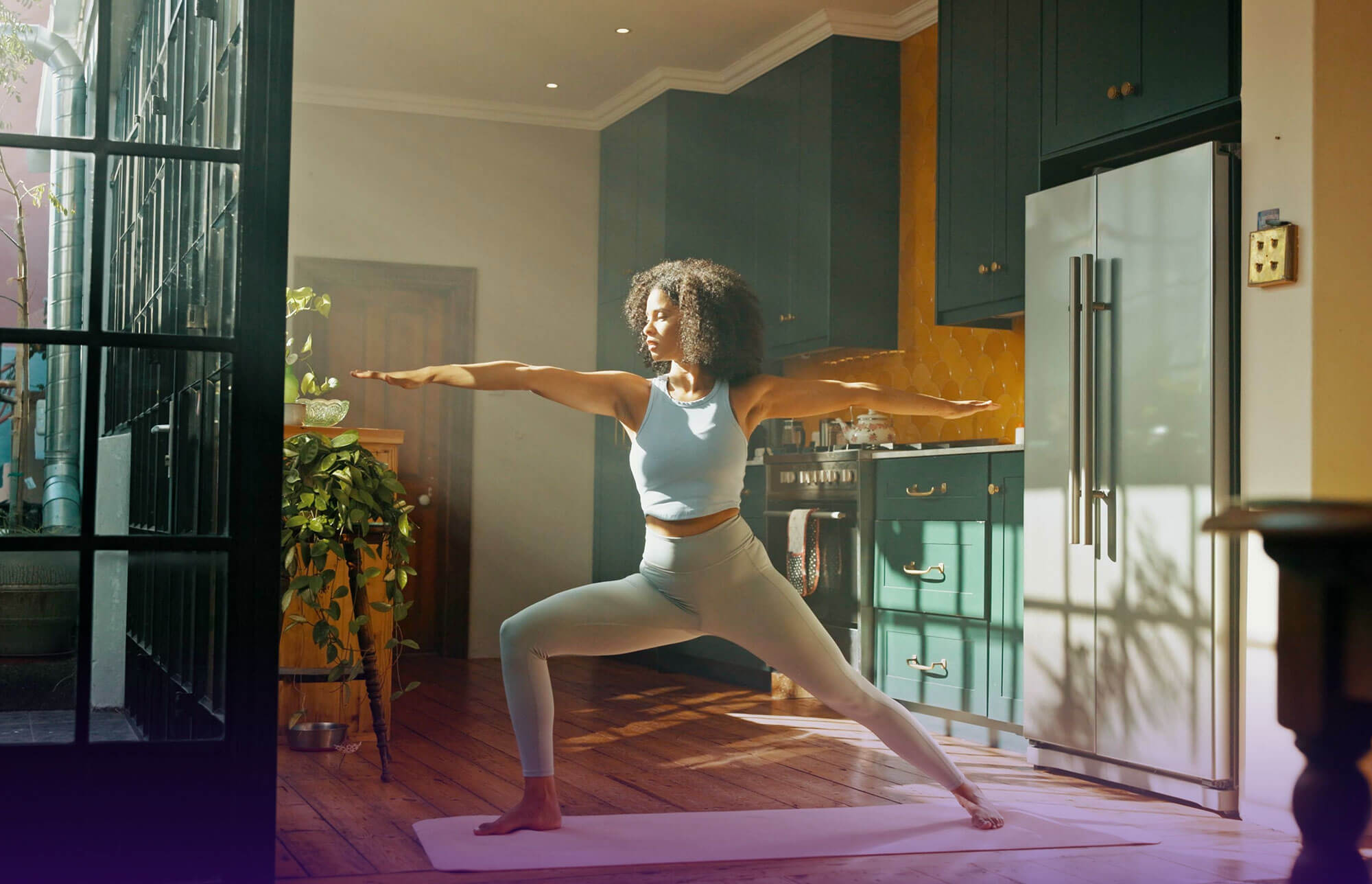
The woman who once might have posted a shopping haul now posts her "Sunday reset." Instead of showcasing new shoes, she shares her 5 a.m. routine, complete with meditation, journaling, magnesium water, and a sunrise workout that somehow happens in flattering light. The subtext is powerful: I am disciplined. I am intentional. I am in control. Also, I have a schedule that lets me foam roll before sunrise.
Control is the true luxury here.
In a world that feels increasingly unstable, whether that's economically, politically, or environmentally, the ability to manage your body and your mind becomes deeply aspirational. Wellness offers the illusion, and sometimes the reality, that you can insulate yourself from chaos through ritual and routine. When the news cycle is spiraling, at least your gut health is thriving.
The Pandemic as Cultural Tipping Point
If wellness was quietly building momentum pre-2020, the pandemic turned it into a global obsession. Suddenly, health was existential. Conversations that once belonged to niche communities about immune systems, inflammation, stress response entered mainstream dialogue overnight. Everyone became an amateur epidemiologist with a newfound respect for vitamin D.
Gyms closed, and living rooms transformed into workout studios. Meditation apps saw unprecedented downloads. Sales of supplements, air purifiers, and home fitness equipment soared. Peloton instructors became household names. We were forced into isolation, and with that isolation came introspection, sourdough starters, and an alarming amount of self-analysis.
Fashion had nowhere to go. Events were canceled, and dressing up lost its context. No one needed a statement heel to walk from the kitchen to the couch. Wellness, however, felt urgent and purposeful. Investing in your health felt like a rational response to uncertainty. It was something you could do, which is intoxicating when so much feels out of your control.
The woman who emerged from lockdown with a home gym, a perfected skincare routine, and a suspiciously strong core wasn't just coping. She was thriving.
Women, Bodies, and the Rebranding of Pressure
It would be impossible to analyze the rise of wellness as a status symbol without acknowledging how deeply it intersects with women's bodies. For decades, women were sold beauty standards under the guise of glamour. Thinness, youth, flawlessness presented as empowerment. The pressure was overt and often brutal, packaged in glossy magazine covers and low-fat yogurt commercials that promised happiness in a smaller dress size.
Wellness didn't eliminate that pressure. It rebranded it.
We are no longer told simply to be thin; we are told to be balanced. We are not anti-aging; we are pro-longevity. We are not dieting; we are regulating blood sugar, supporting gut health, syncing with our cycles, and "reducing inflammation," which now appears to be responsible for everything from bloating to existential dread. The vocabulary has softened, become more clinical, more compassionate, but the gaze has not disappeared. It has simply become more data driven.
Harper's Bazaar recently asked outright when wellness became a status symbol, pointing to the way health, once private and personal, has become performative and deeply gendered. Women are expected not only to care for themselves, but to demonstrate that care publicly, through glowing skin, curated routines, tracked metrics, and a visible commitment to constant improvement. The message is subtle but persistent. Your body is no longer just something to decorate. It is something to optimize.
To be clear, there is real empowerment here. Understanding your hormones, lifting heavy weights, prioritizing sleep, and advocating for mental health are not trivial shifts. Women are more informed than ever about chronic stress and the physiological toll of burnout, and that knowledge is powerful and long overdue.
But empowerment and expectation can coexist uncomfortably. When you are tired, you are encouraged to track your sleep. When you are bloated, you are told to eliminate something. When your skin looks dull, there is a protocol and a peel. The implication is rarely that bodies fluctuate naturally; it is that any discomfort is a solvable inefficiency, preferably with a product and a link in bio.
Wellness offers autonomy, but it can also introduce a new standard—one that demands not just looking good but functioning perfectly. The bar has moved from "fit into the dress" to "have perfectly regulated cortisol," and somehow that feels both progressive and exhausting at the same time.
Social Media and the Aesthetic of Health
Instagram and TikTok did not create wellness culture, but they perfected its aesthetic. Health is visually seductive. A perfectly arranged smoothie bowl, a sunlit Pilates studio, a minimalist bathroom shelf lined with glass jars of supplements. These images tell a story of intentional living. Or at least of very good lighting.
The algorithm rewards transformation and routine. "What I eat in a day" videos rack up millions of views. Morning routine reels offer a voyeuristic peek into someone else's discipline. The performance of self-care becomes content, and content becomes influence. Even rest has branding now.
Influencers are no longer admired solely for their style. They are admired for their systems. How do they structure their day? How do they recover from workouts? How do they manage stress? Their bodies become case studies, their routines templates for replication. We no longer ask, "Where did you get that?" We ask instead, "What's your protocol?"
Wellness becomes aspirational not because it is flashy, but because it appears sustainable. It promises not just beauty, but energy. Not just thinness, but strength. Not just appearance, but vitality. And vitality, conveniently, photographs beautifully.
The Economics of Feeling Good
Underneath the serene aesthetic lies a more complicated truth: wellness is expensive. Organic groceries cost more. Boutique fitness memberships can rival car payments. Functional medicine appointments are often out-of-pocket. Supplements, devices, and specialty treatments accumulate quickly, especially when you're "just trying something new."
Time itself is a luxury. The ability to attend mid-morning Pilates, to prepare balanced meals, to schedule therapy or acupuncture appointments assumes a degree of flexibility not everyone possesses. Wellness culture often frames itself as universally accessible. Drink water, go for a walk, breathe deeply. These are important and genuinely accessible practices. But layered on top of that simplicity is a premium tier of optimization that quietly signals affluence.
The woman who invests thousands in preventive care and cutting-edge treatments is engaging in a new form of conspicuous consumption. It is just packaged in neutral tones and framed as self-respect rather than extravagance. No logos required, just a really solid sleep score.
Health becomes a portfolio. You diversify across fitness modalities, supplement brands, and recovery tools. You track metrics the way previous generations tracked stock prices. Instead of asking how the market is doing, we ask how our HRV is trending.
When Self-Care Becomes Performance
The tension arises when wellness shifts from private practice to public performance. A morning meditation that centers you is one thing. A meticulously filmed meditation session with affiliate links and a discount code for your favorite grounding mat is another.
There is nothing inherently wrong with sharing routines or monetizing expertise. Yet the line between care and competition can blur. When wellness becomes a benchmark for worth, it stops being restorative and starts being comparative. The calm aesthetic does not erase the underlying pressure.
Instead of chasing the next handbag, we chase the next protocol. Instead of comparing outfits, we compare macros, step counts, and sleep scores. We scroll through perfectly curated routines and wonder if we, too, should be drinking chlorophyll water before 7 a.m.
The aesthetic may be calmer, but the comparison cycle remains. It is just dressed in linen.
Beyond the Beige Aesthetic
The rise of wellness as a status symbol reveals something profound about cultural values. We no longer want to appear merely wealthy; we want to appear well. Balanced. Resilient. Glowing in ways that suggest we have mastered not just our wardrobes, but our nervous systems.
In many ways, this is progress. Prioritizing mental health, rest, and physical strength is a healthier aspiration than chasing fleeting trends. Women lifting heavy weights, setting boundaries, and demanding better healthcare is a powerful cultural shift.
Yet perhaps the most magnetic women are not the ones obsessively perfecting every detail. They are the ones who inhabit their lives fully. Who cares about their health without turning it into a scoreboard? Who can attend Pilates and then split dessert without conducting a mental audit of their macros?
Wellness as a status symbol tells us that health has value. It absolutely does. But value does not have to mean comparison. The glow we chase through serums and saunas often comes from something less marketable: confidence, connection, humor, purpose. No supplement can replicate that, no matter how well it's packaged.
Fashion may have ceded its throne, but status itself remains fluid. What we admire reflects what we fear and what we desire. Right now, we desire control, longevity, and resilience. We fear burnout, illness, and irrelevance. Wellness sits squarely at the intersection of all of it.
The real question for the next decade is not whether wellness will remain influential. It almost certainly will. The question is whether we can reclaim it from performance and return it to practice. Whether we can care for our bodies because we live in them, not because we're curating them.
Because feeling good should never require an audience.